
China to USA Shipping Costs — 2026 Rate Guide
Ocean Freight, Air Freight & Accessorial Charges Explained
Get a personalized rate for your specific shipment — accurate, complete, and within 24 hours.
Why We Don't Publish a Standard Rate Sheet
Websites that display “instant online rates” are typically giving you ballpark figures based on generic market data — not your actual cargo. Here’s why a real quote requires real information:
Your HTS Code & Tariff Rate
Section 301 tariffs add 7.5%–145%+ to your duty bill. That's not a freight cost, but it dramatically changes total landed cost — and the right logistics strategy.
Your Exact Cargo Dimensions
Volumetric weight rules often change which rate tier applies. An accurate quote requires your actual CBM and kg — not estimates.
Your Origin City in China
Rates from Shenzhen differ from rates from Tianjin, even if both show "China" on an instant calculator. Port of origin changes carrier options, transit, and cost.
The Current Carrier Market
Ocean rates on the Trans-Pacific move substantially week to week. An accurate quote requires checking live allocations, not a cached rate card.
Your Delivery Requirements
Door-to-door, FBA delivery, bonded warehouse, or port pickup all carry different cost structures. What's included matters as much as the base rate.
What We Offer Instead
A real rate, from a real freight specialist, for your real shipment — within 24 hours. Every quote includes HTS review and total landed cost modeling.
China–USA Freight Market: Q2 2026 Context
Ocean Freight — Trans-Pacific
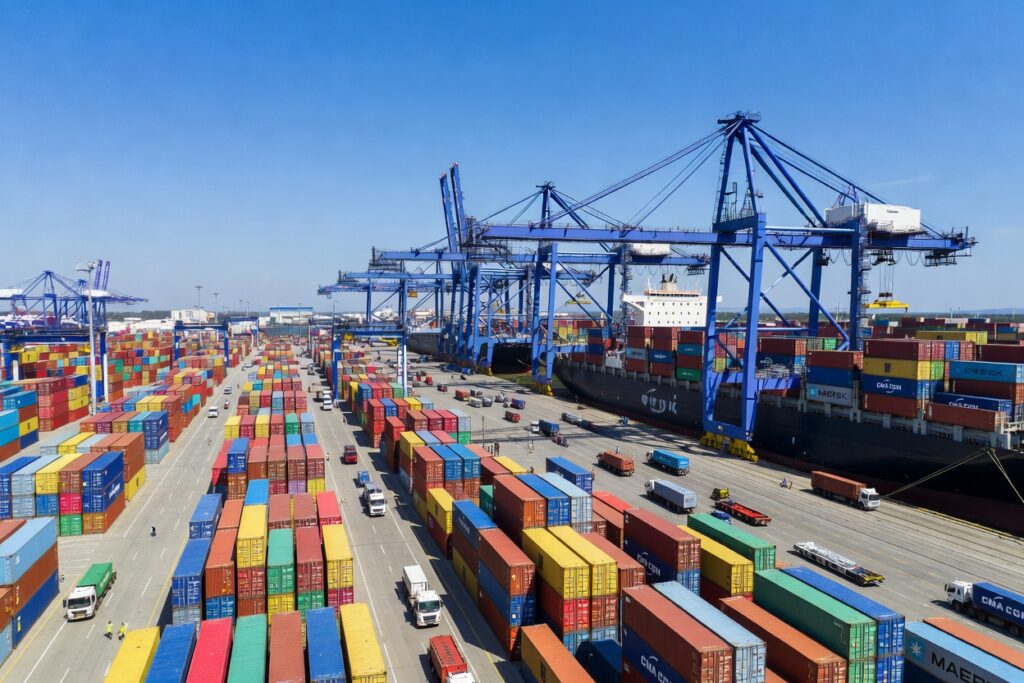
Trans-Pacific ocean freight rates in Q2 2026 have been shaped by tariff-driven front-loading, carrier alliance restructuring, and congestion at major US ports.
Indicative ranges (port-to-port, before surcharges):
- LCL per CBM: $85–$180
- FCL 20ft: $1,800–$3,500
- FCL 40ft / 40HQ: $2,400–$5,000
- East Coast premium: +$600–$1,200
Indicative only — contact us for current rates.
Air Freight — Trans-Pacific
Air freight rates are influenced by belly capacity availability, lithium battery restrictions (IATA regulations), and demand spikes from FBA and e-commerce importers.
Indicative ranges (per kg, all-in before customs):
- Economy air: $4.50–$7.00/kg
- Express air: $7.00–$14.00/kg
- Volumetric weight: 1 CBM = 167 kg
- Minimum charge: typically 45–100 kg
Indicative only — contact us for current rates.
What's Included in Your Freight Rate — And What's Not
One of the most common surprises in freight is discovering charges that weren’t in the original quote. WCS quotes are itemized and transparent. Here’s what’s standard:
Ocean Freight — Standard Inclusions
Origin CFS/terminal handling · Ocean freight (port-to-port) · Destination terminal handling · Bill of lading fee · ISF filing · Customs entry preparation · Duty payment (on your behalf)
Air Freight — Standard Inclusions
Airport handling at origin · Air freight charge (per kg or volumetric) · Destination handling · Airway bill · Customs entry preparation · Delivery to door
Surcharges to Know
Peak Season Surcharge (PSS) · General Rate Increase (GRI) · Overweight/overlength fees · Customs examination fee (CBP-selected inspections) · Fuel surcharge · Chassis split surcharge
Think Total Landed Cost — Not Just Freight Rate
Experienced importers don’t optimize for the lowest freight rate. They optimize for the lowest total landed cost:
- Product cost (factory price)
- Freight cost (ocean or air, door-to-door)
- Customs duties (base MFN rate)
- Section 301 tariffs (7.5%–145%+ additional)
- Customs broker fees (entry, ISF, bonds)
- Last-mile delivery (drayage, FTL/LTL)
Every WCS quote includes Section 301 tariff analysis and total landed cost modeling — so you know your real cost before your goods leave China.
How to Get the Best Rate on Your China Shipment
Plan Ahead
Spot rates (last-minute bookings) are always higher than contracted rates. More lead time = more options and lower cost.
Consolidate Volumes
Multiple small shipments per month? We can develop consolidation strategies that reduce per-unit freight cost significantly.
Be Flexible on Routing
LA/LB or Seattle? More routing flexibility = better rate options, better availability, and resilience against port congestion.
Avoid Peak Seasons
Skip the Golden Week recovery rush (mid-October) and pre-Christmas peak (Sept–Nov) when possible — rates spike 30–80%.
Current Rates — June 2026
Ocean Freight Rates — June 2026
| Route | 20ft FCL | 40ft FCL | 40HQ FCL |
|---|---|---|---|
| Shanghai → LA/LB | $1,800–$3,200 | $2,800–$4,500 | $3,000–$4,800 |
| Shenzhen → LA/LB | $1,800–$3,000 | $2,800–$4,300 | $3,000–$4,600 |
| Ningbo → LA/LB | $1,900–$3,300 | $2,900–$4,600 | $3,100–$4,900 |
| Qingdao → LA/LB | $2,000–$3,500 | $3,000–$4,800 | $3,200–$5,100 |
| Tianjin → LA/LB | $2,100–$3,600 | $3,100–$5,000 | $3,300–$5,300 |
| Route | 20ft FCL | 40ft FCL | 40HQ FCL |
|---|---|---|---|
| Shanghai → NY/NJ | $2,200–$4,000 | $3,200–$5,500 | $3,400–$5,800 |
| Shenzhen → NY/NJ | $2,200–$3,800 | $3,200–$5,200 | $3,400–$5,500 |
| Ningbo → NY/NJ | $2,300–$4,100 | $3,300–$5,600 | $3,500–$5,900 |
Air Freight Rates — June 2026
| Service | Rate per kg | Transit | Notes |
|---|---|---|---|
| Economy Air | $3.50–$5.50 | 5–10 days | Budget option; capacity not guaranteed |
| General Cargo | $4.50–$9.00 | 3–7 days | Standard commercial air freight |
| Express (DHL/FedEx/UPS) | $8.00–$15.00 | 1–4 days | Door-to-door, customs included |
| Air Charter | Negotiated | As arranged | Large urgent shipments |
| Weight | Rate per kg |
|---|---|
| Under 45 kg | $7–$9 |
| 45–99 kg | $6–$8 |
| 100–299 kg | $5–$7 |
| 300–499 kg | $4.50–$6 |
| 500+ kg | $4–$5.50 |
Additional Costs: The Full Landed Cost Picture
| Charge | Cost |
|---|---|
| Origin Terminal Handling (THC) | $120–$250 per container (FCL) |
| CFS Handling (LCL) | $25–$50/CBM |
| Documentation Fee | $50–$100 per shipment |
| ISF Filing | $30–$50 per filing |
| VGM (Verified Gross Mass) | $20–$40 per container |
| Seal Fee | $10–$20 |
| Charge | FCL | LCL |
|---|---|---|
| Destination THC | $200–$400 per container | N/A |
| Destination CFS Handling | N/A | $60–$120/CBM |
| Chassis Fee (per day) | $25–$50/day | N/A |
| Port Congestion Surcharge | $0–$300 (when applicable) | $0–$50/CBM |
| US Customs Brokerage | $150–$350 per entry | Same |
| MPF (Merchandise Processing Fee) | 0.3464% of value (min $31.67, max $614.35) | Same |
| HMF (Harbor Maintenance Fee) | 0.125% of cargo value | Same |
| Drayage to Warehouse | $300–$800 (within 50 miles of port) | $150–$400/CBM |
Transit Times
Contact our team for specific transit time estimates for your route and cargo type.
Frequently Asked Questions
How much does it cost to ship a container from China to the USA?
A 20ft FCL runs $1,800–$4,500 for the ocean freight portion in June 2026. All-in landed cost (including THC, documentation, customs clearance, and drayage) typically adds $600–$1,500. On top of that, budget for duties — Section 301 at 25% on the cargo value alone can dwarf the freight cost.
Why does my freight quote look different from the rates on this page?
Published rate ranges reflect current market conditions. Your actual quote will vary based on exact port pair, vessel space availability, carrier, service type (direct vs. transshipment), and any applicable surcharges. This guide helps you sanity-check quotes — if you're getting prices far outside these ranges, ask why.
How much does LCL shipping cost from China?
Ocean freight is $80–$250/CBM depending on route. But LCL's total cost is higher once you add origin CFS ($25–$50/CBM), destination CFS ($60–$120/CBM), customs clearance (~$250), and delivery. For a 5 CBM shipment to LA, budget $800–$1,800 total.
Are China freight rates higher now than before the trade war?
Yes, current rates are elevated vs. pre-2018 levels, but they've moderated significantly from the 2021–2022 pandemic peaks when 40ft containers were hitting $15,000–$20,000. Today's range of $2,800–$4,500 for a 40ft to LA reflects a normalized but still firm market.
When is the cheapest time to ship from China?
November–January (post-peak, around Chinese New Year) and March–May (post-CNY recovery, pre-summer peak) typically offer the best rates. August–October peak season is the most expensive. --- *Related pages: [Ocean Freight from China](/ocean-freight) | [Air Freight from China](/air-freight) | [LCL Shipping](/lcl-shipping) | [Section 301 Tariffs](/section-301-tariffs) | [China Freight Rates 2026](/china-freight-rates-2026)*